About
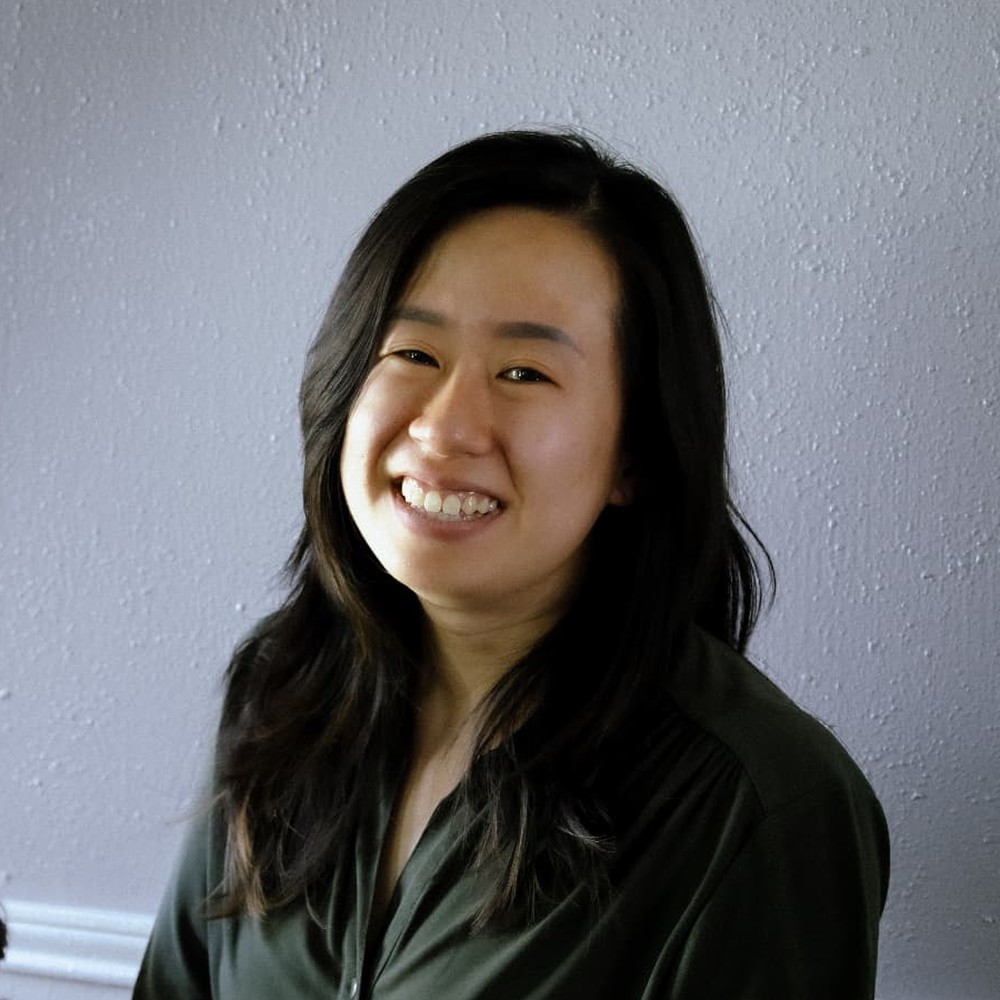
I'm Dr. Quỳnh-Hương Nguyễn, a neurodivergent life coach and founder of Patterns Pivot, based in Houston and working virtually. I'm a queer, second-generation Vietnamese American and a late-diagnosed ADHDer who spent years mistaking exhaustion for dedication before understanding why. That's the lens I coach from: not theory, lived pattern-recognition. I work with ADHDers, burned-out professionals, and people navigating identity, grief, career pivots, and relationship patterns, especially neurodivergent people who are also queer, immigrant, disabled, or otherwise carrying more than one layer of 'not quite fitting the mold.' A lot of my clients are the eldest child who became the responsible adult early, or caregivers and organizers who give all day and have nothing left by evening. My approach isn't about becoming someone new or hitting a fixed 'recovery' milestone. It's about understanding your own patterns clearly enough to have a real choice about what happens next, at your own pace. I don't hand out productivity hacks and call it healing. Coaching here is reflective, practical, and built session by session around what's actually going on for you, not a checklist. This is skill-building and practice, not clinical treatment. If something needs a therapist or psychiatrist, I name that directly, and I work well alongside that care rather than replacing it.
Credentials: Doctorate in Applied Psychology and Master of Arts in Psychology, Fielding Graduate University; Master of Education in Student Affairs in Higher Education, Texas State University; Bachelor of Arts in Psychology, Dominican University.
Trainings, certifications & community lineages
Eight-plus years in higher education, nonprofit leadership, and community-based programs, including student center leadership and queer student retention work at the University of Texas at Austin and Texas State University, communications leadership at a Houston nonprofit built on cross-cultural solidarity, and economic mobility partnership coordination at a national nonprofit.
Professional role
Location & service delivery
Countries: USA
States/regions: Texas
Cities: Houston
Service format: Virtual
Telehealth platform: Microsoft Teams
Services offered
Services
Available for
Speaking topics, trainings & workshops
Neurodivergent pattern recognition and burnout, sustainable careers for queer and neurodivergent professionals, and identity/burnout topics for organizational audiences. Past engagements include ROMBA Conference, Neuroqueer Career Summit, Homeland Festival, and Third Spaces community workshops.
Availability & access
Current availability
Accepting: Neurodivergent community members
Languages
Accessibility
Payment
Focus areas & populations
Focus areas
Communities served
Identity & values
Values & commitments
Identities & communities
Lived experience
Practice & approach
What harm reduction means in practice
It means not requiring someone to hit a fixed 'recovery' milestone, be in a specific stage of healing, or have their life fully in order before I'll work with them. I've lived this from more than one angle: as someone who spent years being told the goal was to fix my brain, and separately, years being told the goal was to shrink my body. Both messages taught me the same lie, that I wasn't acceptable as I was. Harm reduction, to me, means rejecting that premise entirely. It means meeting a person exactly where they are, still masking, still burned out, still mid-recovery, still figuring out if care is even accessible to them, and helping them build something workable from there, instead of withholding support until they reach some ideal state first. Awareness creates choice. I don't need to force the choice, or the timeline.
Communities, movements & lineages that shaped this work
My understanding of harm reduction was shaped less by a formal lineage and more by lived experience navigating ADHD, mental health, and eating disorder recovery as a Vietnamese American woman. Growing up, I was constantly compared to thinner Vietnamese women, and thinness was treated as beauty. I had no representation of healthy Asian bodies to measure myself against, only other Asian women's bodies I was taught to compare myself to. I believed smaller was better, which meant I never learned what was actually good or bad for my own body. During the pandemic especially, food became a way to hide from loneliness and pain I didn't have another language for, and I didn't recognize the harm I was doing to myself at the time. Part of my healing came through connecting with professionals I knew from undergrad who understood what it means to be a person of color in the U.S., and who helped me see that 'healthy,' as it's usually defined, was never designed with neurodivergent, queer, or BIPOC people in mind. That reframe let me challenge Eurocentric ideas about food and movement directly: learning to eat because my body needs food, not because a diet culture told me to, and coming to strength training as a way to ease chronic pain, rather than to shrink myself. It's been a long process of unlearning. That's the lens I bring to harm reduction: rejecting one-size-fits-all definitions of health, and helping people build a relationship with their own body and mind that actually fits them.
Publications, media & written work
https://www.honesthealthandwellness.com/blog/what-happens-when-we-stop-treating-the-body-as-the-problem
Preferred contact
Patterns Pivot intentionally values sustainability, rest, and non-urgency. Please allow up to 48 business hours for responses to inquiries when contacting them via email.