Heads up: Listings are self-submitted. Nalgona Pride does not verify, vet, or endorse any provider. Please independently confirm credentials and fit before engaging. Read the full disclaimer.
21 providers found

Glo V.
she/her
Nalgona Positivity Pride
As someone who applies harm reduction on a daily basis, I understand it as a way of life that is deeply rooted in the survival, care, and resistance practices of Indigenous, Black, and communities of color. Harm reduction can never be neutral — its ethics are grounded in Indigenous worldviews and solidified by communities responding to violence, criminalization, neglect, and exclusion from colonial institutions. For me, harm reduction means meeting people where they are, honoring their autonomy and lived experience, and working to reduce harm while also addressing the structural conditions that produce it. It is both a practical approach to care and a political commitment to dignity, self-determination, and collective liberation.
Stacy Rae Godoy
she/her
Stacy Rae Godoy LMFT
Harm reduction education should be provided to everyone, regardless of level of care or severity of illness. I see it as an offering people can utilize or not — most important is that they know what's available to take care of their bodies.

Mimosa Collins
she/her
Rejoyn Wholeness
Harm reduction means we're meeting you where you are on your recovery journey and working together to define recovery in your words. It also means we don't expect perfection and find value in reducing the harm of a behavior or belief that may be hard to fully walk away from in this moment.

Guilia Piscitelli
she/her
Dr. Jennifer O'Connor Psychological Services
Christina Sun Oo
they/them
Little Bird Psychotherapy
Harm reduction is client first — you are in charge of what your goals are and my aim is to respect and support that while engaging in curiosity around those goals.
Silas Norum-Gross
they/them
Literally reducing harm, however that manifests for you, as well as sovereignty and self-determination for all high-risk communities. I believe that harm reduction allows us to think beyond the capitalist, binary perception that we are either "healed" or "sick." I believe it teaches us that nothing is linear and progress can appear in many different ways. Finally, I think harm reduction encourages self-compassion in a way that other healing models do not.
Leah Yarmus
she/her/hers
Watering The Roots LLC
A set of values that appreciate self determination and community care in service of individual and collective needs.
Samantha Willy-Gravley
she/her/hers
Samantha Willy Private Practice
Harm reduction for me is a way of being. It's a way of seeing and feeling in relationship. It's honoring where we have been, where we are and where we want to go, simultaneously.
Caitlin Harrison
she/her
Mirror Moments Therapy
Harm reduction means that in my practice, I honor and strive to lead with decolonized practices around how to decrease the distressing part of harmful behaviors. I come from a religious background, where I know firsthand how an abstinence based model is harmful and so I want to support folks around their substance/alcohol/sexual behaviors in a way that honors their needs, journey, and aims to focus on community care.
Frey Monday
he/him/his
Monday Hause Consultants
For me it is about what we can add to someone's life and support system rather than what we can or should be taking away from them in order to promote and encourage healing. Destigmatizing and decolonizing the guilt and shame that comes with needing help and supporting folks by meeting them where they are at.
Vilmarie Narloch
she/her/ella
Sana Healing Collective
We honor each individual's journey by meeting them where they are with compassion and dignity, recognizing that all behaviors hold meaning, and working together to minimize harm and maximize well-being, autonomy, and informed choice. We view Harm Reduction as a movement which shifts resources and power to the people who are most vulnerable to structural violence, building community for and empowering directly impacted people, and disrupting systems of oppression.
Malak Saddy
She/Her
Malak Saddy Nutrition
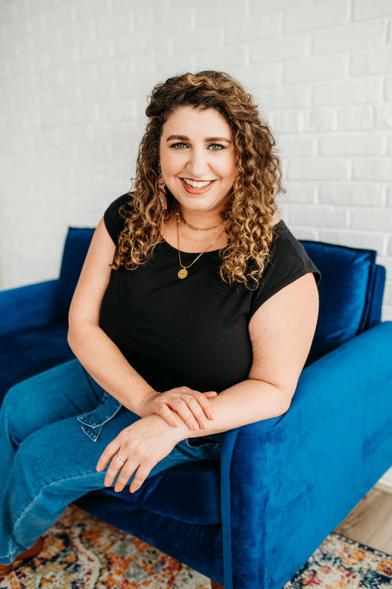
To me, harm reduction means meeting people exactly where they are with compassion, curiosity, and respect for their autonomy. It means recognizing that change is rarely linear and that every step toward increased safety, nourishment, and self-trust matters. Rather than focusing on perfection or compliance, I strive to help clients identify realistic, sustainable changes that improve their quality of life while honoring their values, lived experiences, and readiness for change. As a dietitian working with eating disorders, harm reduction also means moving away from defining people by diagnoses or pathologizing them simply to fit a treatment model. A diagnosis may help guide care, but it should never become someone's identity. I believe healing happens when clients feel seen as whole people—not as their eating disorder, weight, or symptoms. My role is to collaborate with clients, reduce shame, foster body trust, and create a space where they can reconnect with themselves beyond their diagnosis.
Sterling Bittenbender
she/her
SB Nutrition Therapy
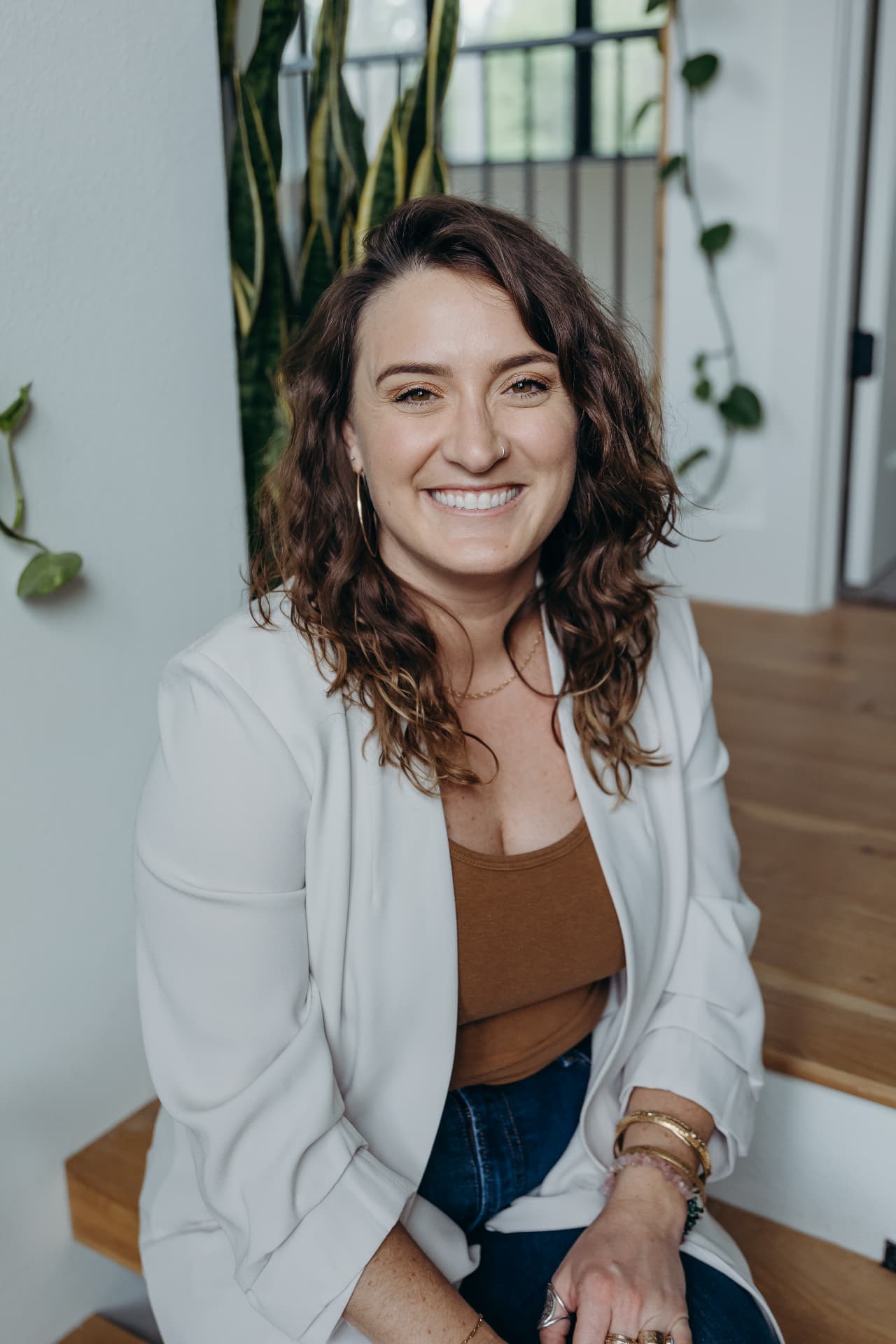
Harm reduction is a community based framework that provides a foundation for clients to feel a sense of empowerment in their life, regardless of their motivation or willingness to choose recovery. It allows clients to feel more choice and autonomy in how their define their recovery process. Ultimately, harm reduction saves lives.
Syd Yang
they/them
Blue Jaguar Healing Arts
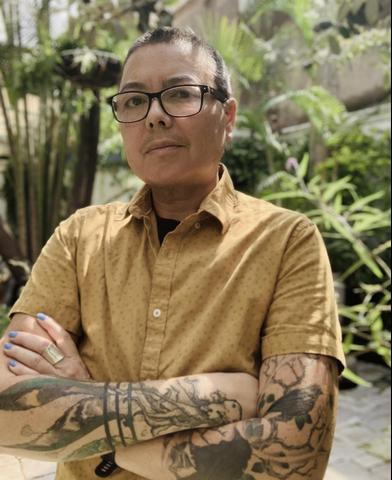
HR, in my practice, means meeting people where they are at, without judgement while centering each person's bodily autonomy. It also involves each person having a say in the ways care is received and offered.
Jaya Roy
she/hers
Kanti Mental Health LCSW, PC
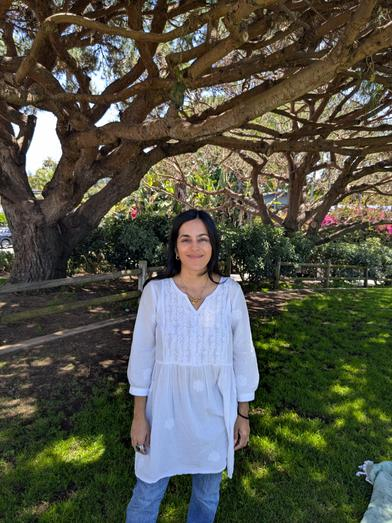
Come as you are, be held as you are, feel valued as you are. Healing is not linear and you do not need to change to receive support and guidance. Your journey is your path and I am here to help you walk alongside it, while intentionally embodying your values. As your guide or support, I will collaborate with you to find a path forward that works with where you are today while also holding your vision or hope for your future. Taking steps to mitigate harm to yourself is a practice of compassion.
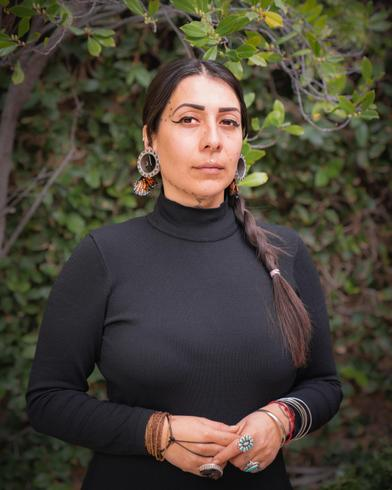
Nancy 'Mikizollin' Chavez
she/ella
Cuauhtli Botanicals
Mitigating risky behaviors, practices, detrimental ideas and situations with kindness, volition, a supportive presence, empathy, and love.
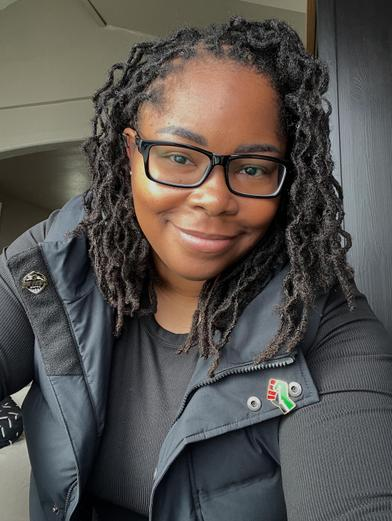
Desa Daniel
she/her
Umoja Wellness & Behavioral Health
My understanding of harm reduction is rooted in compassion, humility, and social justice. I offer a warm, intuitive space to explore grief and healing at your pace, centering strengths and using inclusive, flexible approaches that support both immediate needs (safety and support) and long-term growth. Drawing from my clinical work with marginalized communities and my equity-focused lens, along with my commitment to confronting biases and addressing systemic factors, I collaborate with you to make choices aligned with your unique circumstances, reconnect with your body, soften your inner critic, and meet your wounded self with kindness.
Ashley Abigail Resurreccion
they/siya, all
Therapy for Peace of Mind
Harm reduction, in my practice, means meeting clients where they are without requiring them to fit a predetermined model of healing. It means honoring autonomy, pacing, and the reality that traditional talk therapy is not accessible or effective for everyone—especially those whose trauma lives in the body. By blending somatic principles with art therapy, I aim to reduce harm by helping clients safely externalize non-verbal trauma, regulate their nervous systems, and reclaim bodily autonomy at their own pace. My work is rooted in the belief that creative, culturally responsive, and neurodiversity-affirming care can expand access to healing for system-impacted and diaspora communities.
Nichole Abdallah
She/her
Noor Therapy & Wellness
Harm reduction in my practice means offering culturally responsive, nonjudgmental, and depathologizing psychotherapy that meets people where they are. It means recognizing that survival strategies are often responses to systemic harm, and that healing happens through relationship, safety, and agency rather than through coercion or shame. I work within a small group practice to provide affirming, culturally informed care for individuals navigating mental health challenges, trauma, and the complexities of immigration and undocumented status.
Flo Oliveira
they/them
Lifewflo therapy
Harm reduction in my practice means meeting people exactly where they are—without requiring abstinence, recovery, or shame. It means recognizing that 'out of control' sexual behavior, kink, non-monogamy, and substance use are often responses to systemic harm, stigma, and unmet needs. I work from a place of curiosity and compassion, offering sex therapy and mental health support that centers QTBIPOC folks, challenges carceral and pathologizing frameworks, and reduces harm by honoring bodily autonomy, pleasure, and self-determination.
Nicole Thoms Fuentes
she/her/ella
Release Restore Redefine Counseling
I am an associate-licensed therapist and harm reductionist; I work with PoGM, QTBIPOC, LGBTGEQIAP+, immigrant, and neurodivergent (Autism, ADHD, OCD, CPTSD + many more) adults—because of the folks I work with, all of my work is through a harm reduction lens and in varying forms. Some examples include folks that are coping with alcohol to disconnect from the sensory overload of being late-diagnosed Au/DHD and switching to cannabis instead, if/when available; otherwise, integrating other skills in conjunction to reduce alcohol (or whatever substance) intake.